
Engineering stories, methods, and ideas.
Practical work from simulation, physical testing, data, automation, and the decisions that connect them.
Latest articles
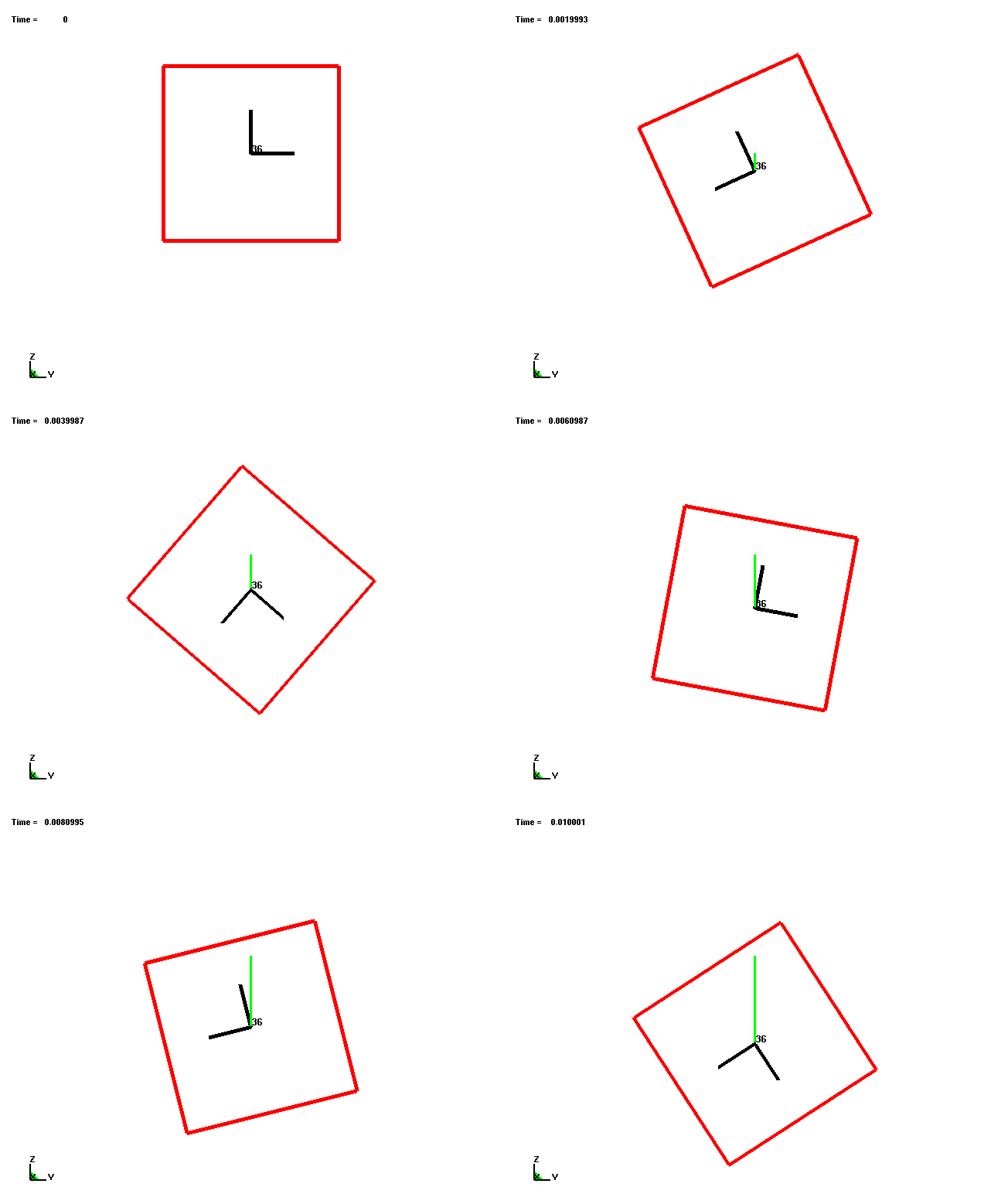
Prescribing Motion to a Rigidbody with Respect to a Local System
LS-DYNA offers several ways to prescribe a motion to a rigidbody using *BOUNDARY_PRESCRIBED_MOTION keyword. To prescribe a motion to a rigidbody along a …
Deformable Spotwelds in LS-DYNA
Over the years, spotweld representation for crash and NVH applications have evolved from a crude to a detailed modeling resulting in reduced pre-processing …
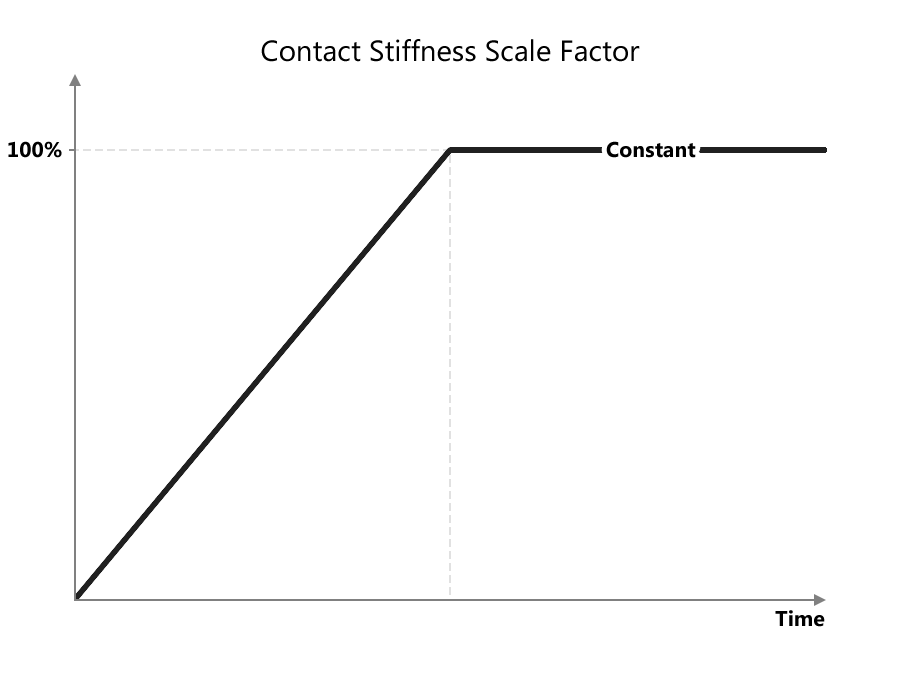
Modeling Press-Fit Conditions to Include Initial Stresses
In many designs, parts are often press-fitted as part of an assembly which causes an initial stress condition that is important to consider in simulations. …
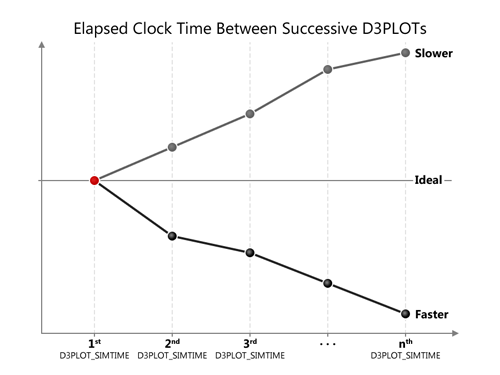
Monitoring Incremental Elapsed Time as a Function of Simulation Time
When running explicit simulations in LS-DYNA, it is very important to understand the total CPU clock and the total Elapsed time used by the solver. This …
Full-Newton and Quasi-Newton Iterative Schemes
When running problems using Implicit solution sheme in LS-DYNA, the default iterative non-linear solver used is the BFGS method that employs a …
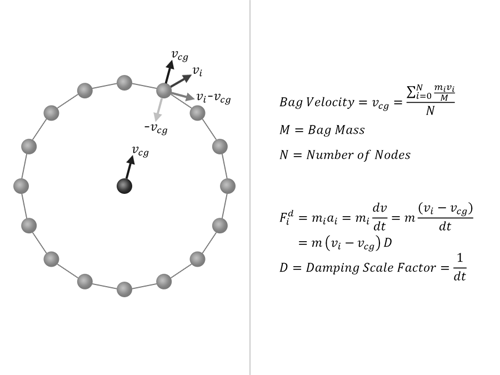
Damping for Airbags
When simulating airbag deployment, using the classical uniform-pressure (CONTROL VOLUME) or non-uniform-pressure (ALE, Particle), users frequently …
General Guidelines for Crash Analysis in LS-DYNA
LS-DYNA is a general purpose finite element software and is designed for use in various applications. Based on the use of the software for a specific …
A Few “Words” on Memory Settings in LS-DYNA
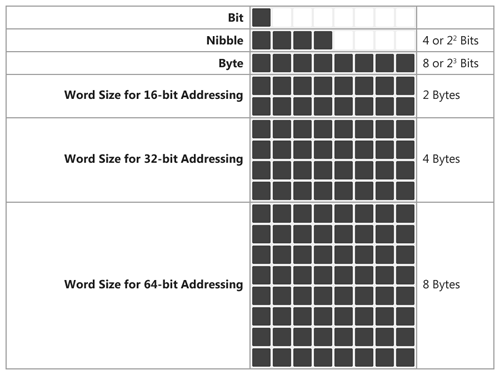
Memory in LS-DYNA is specified in “words” at the execution time. The term “word” refers to the amount of data that can be written to or read from a memory …
Modeling Symmetric/Unsymmetric NonLinear Discrete Springs
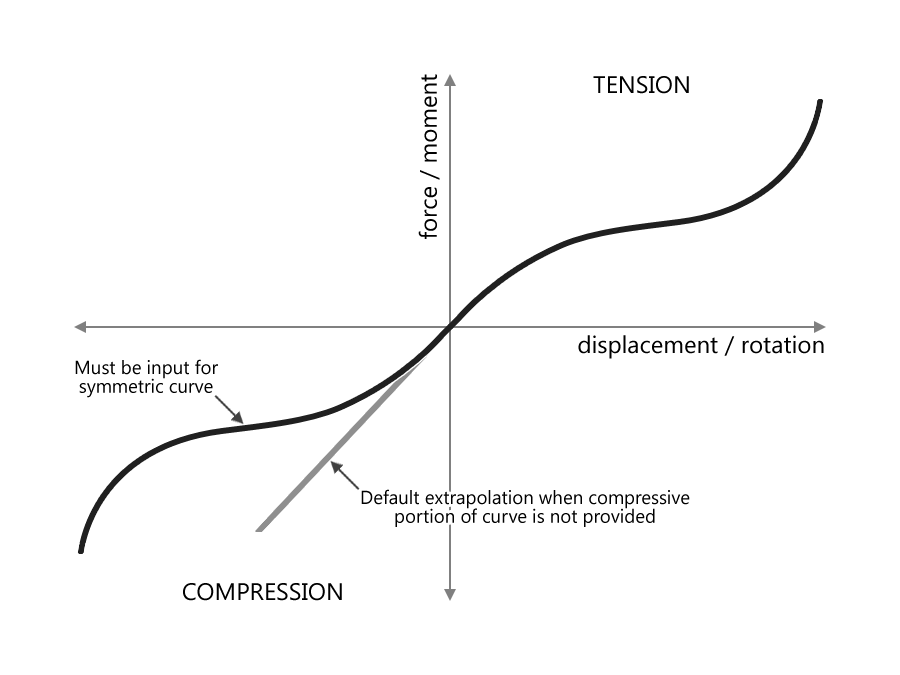
Discrete springs provide a easy way to model complicated systems by using their responses in the material definitions. This post brings attention to the …
Limitations of Penalty Joint Treatment in LS-DYNA
LS-DYNA supports various joint definition types such as spherical, cylindrical, etc (please refer to the LS-DYNA User’s manual for a complete list). …
Storing Re-Usable Models in a Central Location with *INCLUDE_PATH
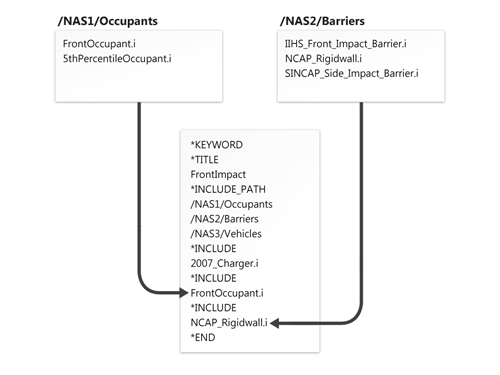
Beginning version 971 and later, LS-DYNA allows easy way to store models in a central location for use at run time. This feature can be turned on using …
Best Practices for Modeling Recoverable Low Density Foams – By Example
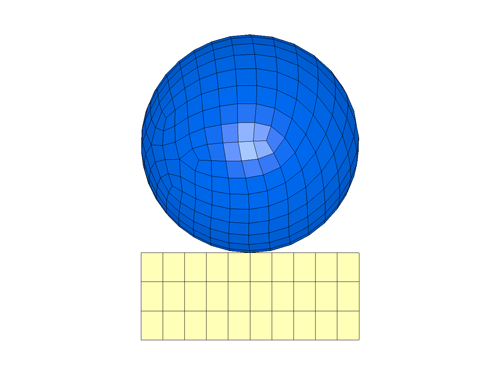
Attachments: mat57_default.k Modeling recoverable foams poses several challenges in crash worthiness as well as in low-to-medium impact velocity …