
Engineering stories, methods, and ideas.
Practical work from simulation, physical testing, data, automation, and the decisions that connect them.
Latest articles

Study of Machine Learning Parameters for Robustness
NOTE: Robustness reported in this article is being revised with corrections in derivative calculations. Updated results will be published shortly from …
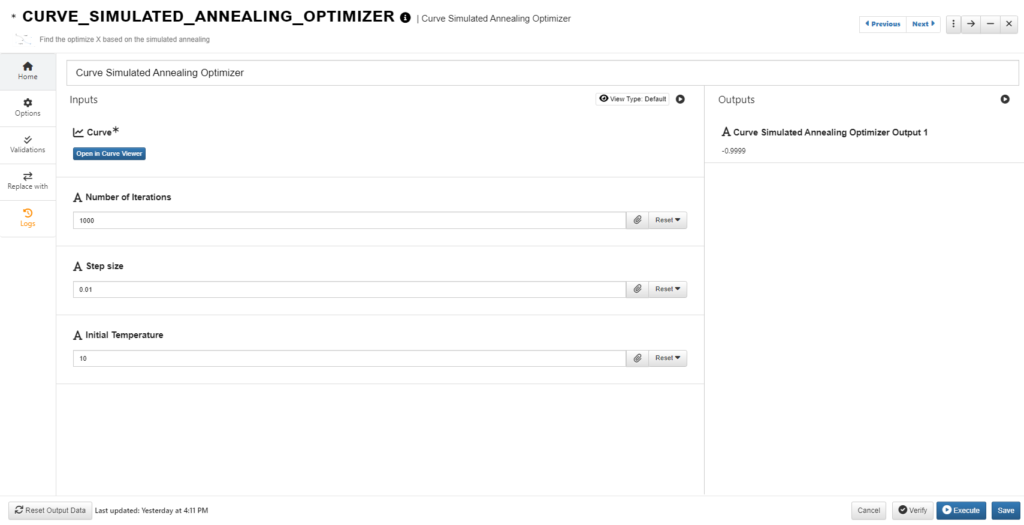
Apply Simulated Annealing on a curve to find the optimum
Similar to the dataset_simulated_annealing_optimizer worker, which takes a dataset as input, we can consider the curve_simulated_annealing_optimizer …
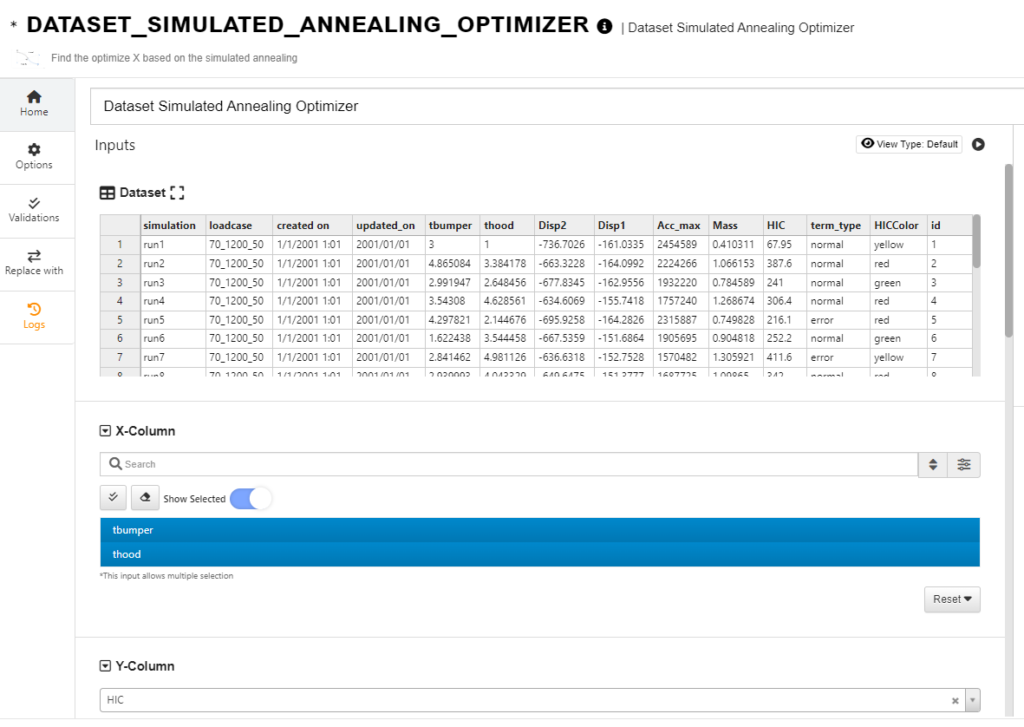
Simulated Annealing with Polynomial Regression
Simulated annealing Simulated annealing is an optimization method to find the global optimum of the objective function. It is inspired by the process of …
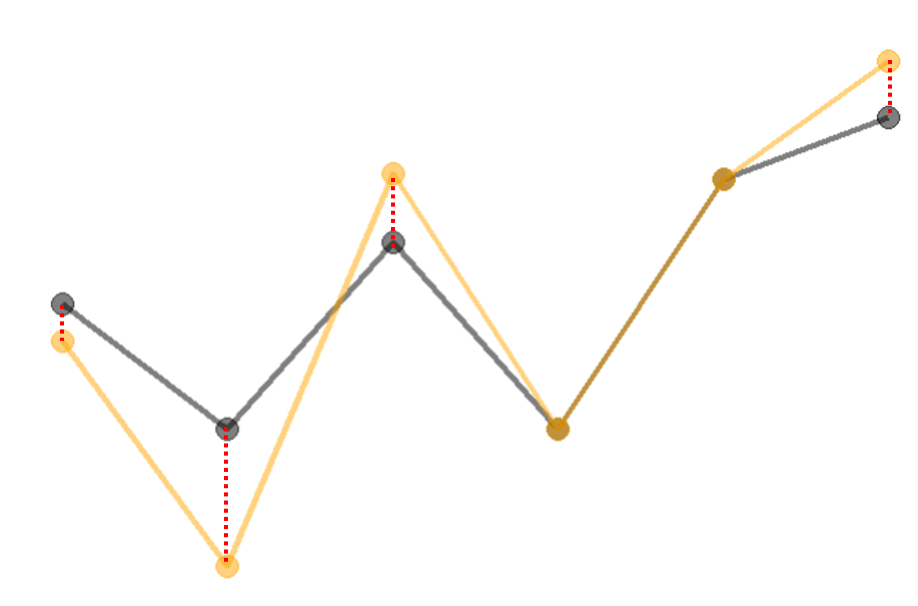
Compare curves with Dynamic Time Warping
Given two curves, a baseline and a candidate curve, how do we know how similar they are to each other? In machine learning, it is common to compare the …
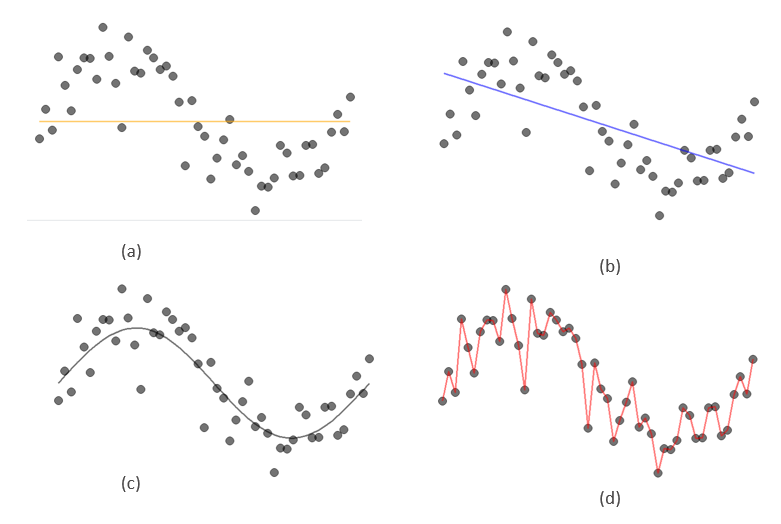
Choose Machine Learning Models With Cross Validation
Machine learning techniques (https://www.d3view.com/introduction-and-application-of-d3view-ml/) are becoming unprecedentedly popular. And it plays an …
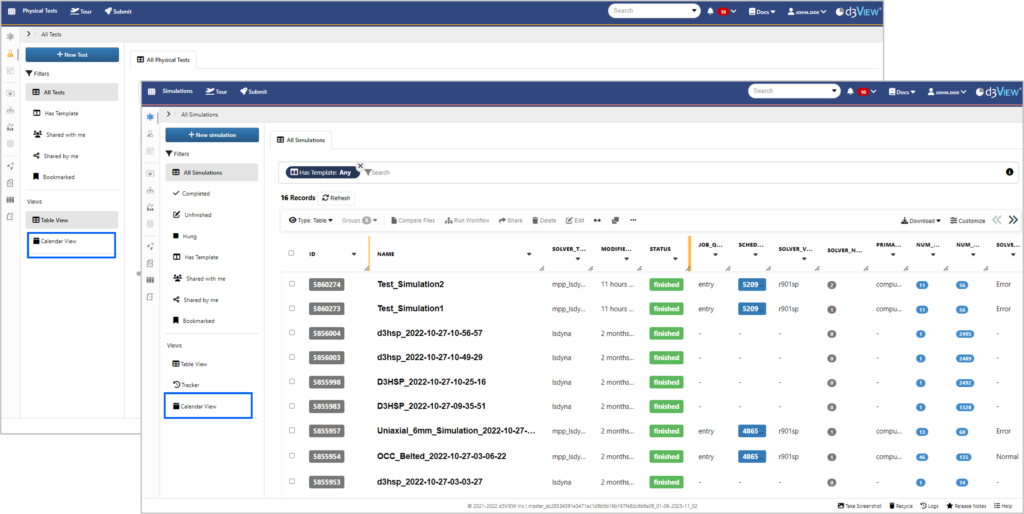
Introducing Calendar View for Simulations and Physical Tests
Many of us would agree that calendars play an important role in our day-to-day life aiding in tracking events, staying on top of task completion, etc. …

Workflow Provider: Execute Workflows within a Workflow
d3VIEW has a new worker called ‘Workflow Provider’ which allows us to execute other workflows we may have saved on the platform within the current one we …

Text Parameterize GUI: A Workflow Tool to Parameterize Input Files
The new ‘Text Parameterize GUI’ worker helps to create machine generated designs by providing a simple to use interface to parameterize any part of a text …
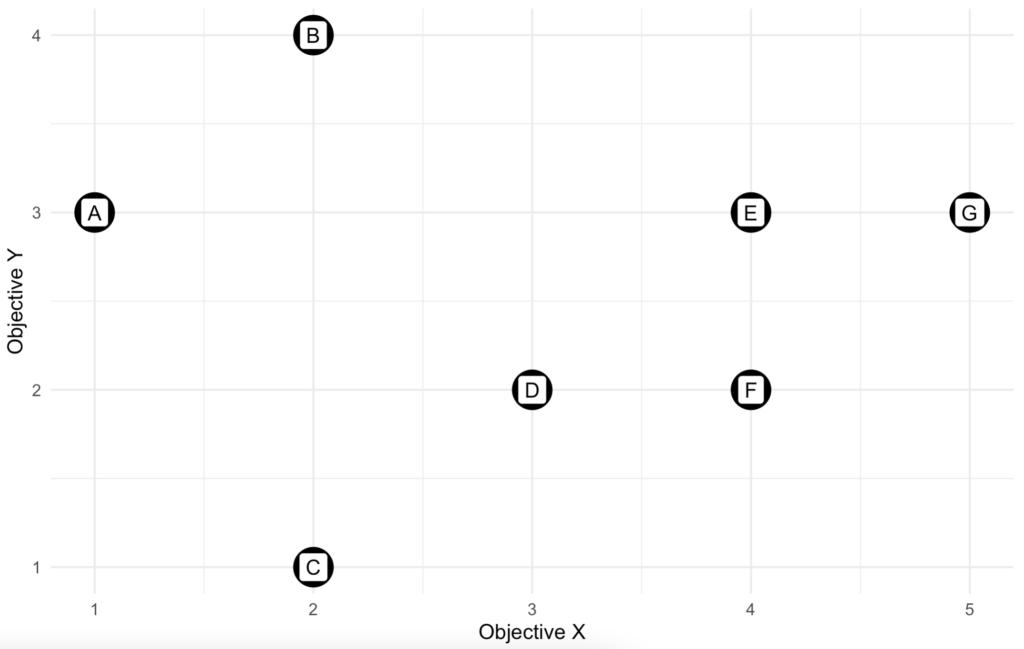
Multi-objective optimization with Pareto front
Optimization Decisions are made based on preferences. Either it is to minimize the monthly expense for a person living with a tight budget or to maximize …

Kriging interpolation
In the previous post, we have discussed about how interpolation works in general and reviewed a few commonly used interpolation methods. All these methods …
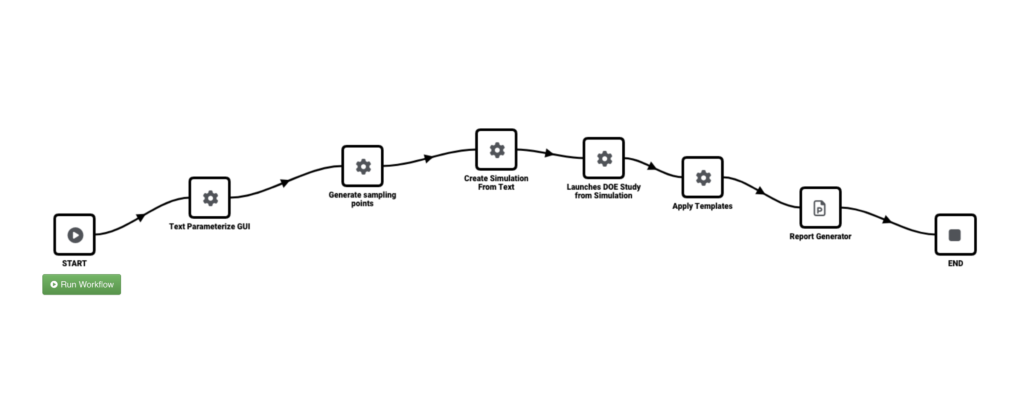
Using d3VIEW-Workflows to Build and Launch DOE Simulations
Workflows is d3VIEW’s application for streamlining complex business processes. With its capabilities, we can create and employ automated DOE studies for …
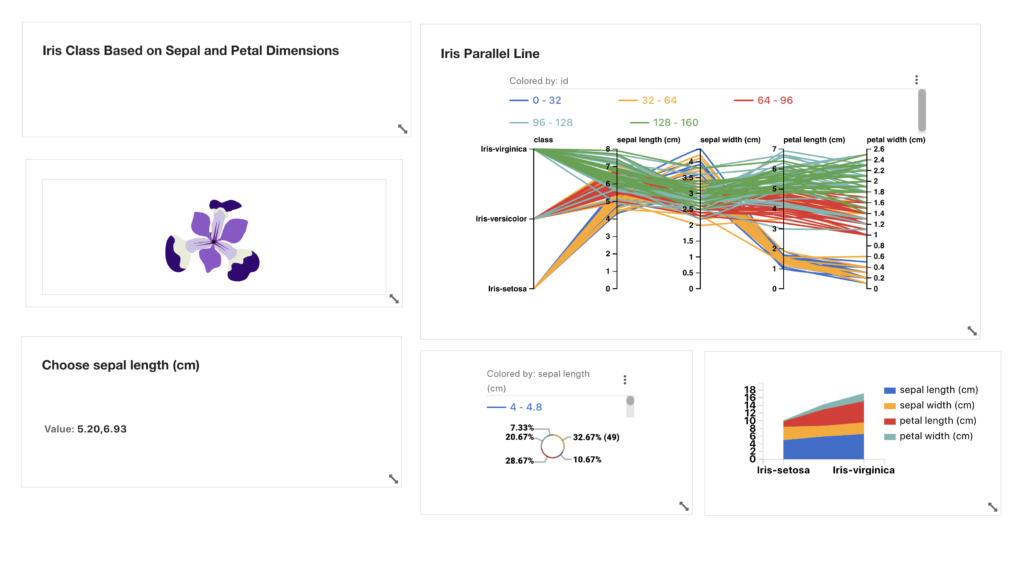
Simlytiks Dashboards
d3VIEW’s visualization application Simlytiks® now has a new page layout called Dashboard that allows users to set-up a free-form presentation-styled page …