










New Envelope Feature to Aid Material Selection in d3VIEW

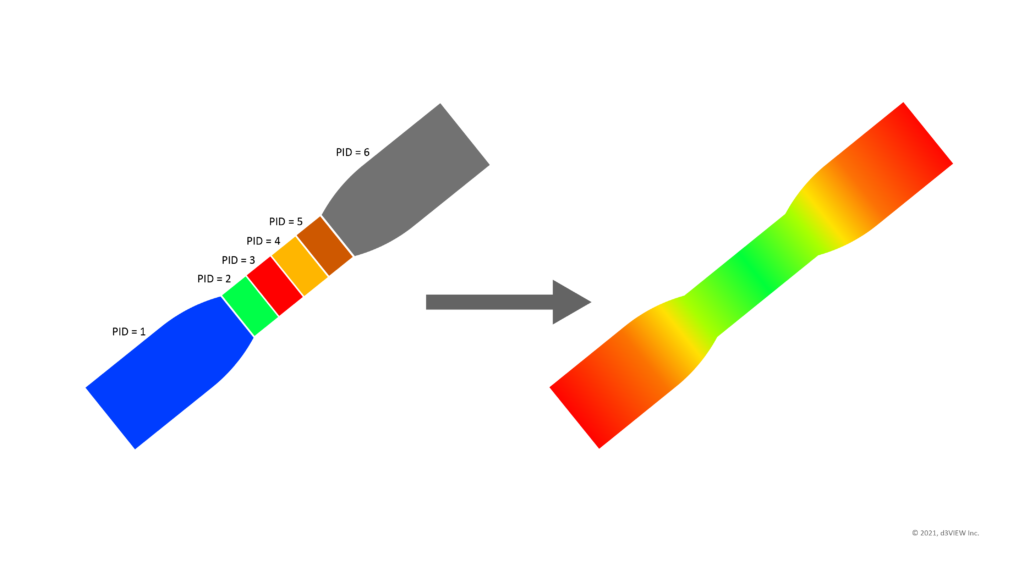
d3VIEW supports material calibration and storage of calibrated materials in a scientific database native to d3VIEW. Once materials are stored in the database, d3VIEW supports filters to search and retrieve the materials of choice. Recently, we have been working on supporting visual selection through “Brushing” – a term often used to describe the ability to…

September 7, 2022 | by

Interpolation methods for time series data

It is not unusual that due to various limitations, researchers can only collect limited number of samples. Meanwhile, for many analyses, we desire a higher resolution. In two-dimension case, we have X and Y coordinates of our points. We are interested in what happens in between any of the two points. We can draw a…

April 29, 2022 | by

Battery Cycle Detection using ‘Current’ Time-series Data

Battery data have many interesting properties. One of them is cycles. When we consider the whole range of the data, there are a few of the metrics we are interested in. For example, test net capacity and energy, test cumulative capacity and energy, etc. From these transformed curves, we can obtain some metrics that help…

January 10, 2022 | by

Test vs CAE in d3VIEW

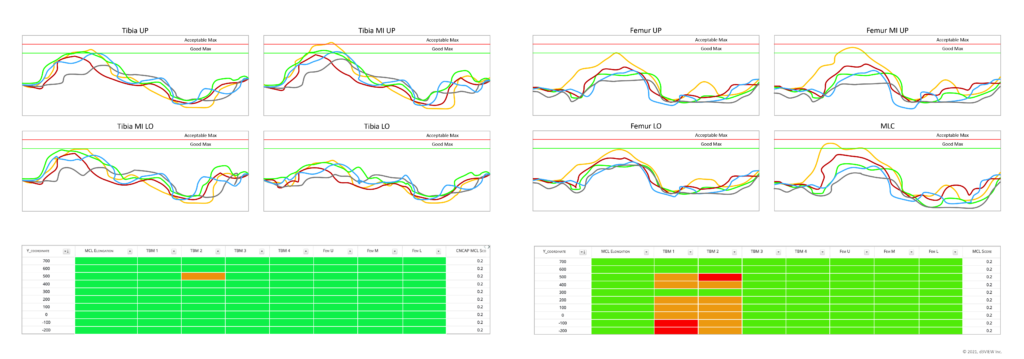
As simulations drive a large portion of product development, reliance on test-data at critical development stages is invaluable to further our understanding of reality and assess our simulations. Among a wide variety of tests conducted today, the test-data can be broadly grouped into coupon-based (for material calibration), component based (for sub-system validation) and full-system tests.…

December 3, 2021 | by

Data Drilling in Simlytiks

d3VIEW’s Data Visualization Application, Simlytiks, offers a wide-variety of charts with different options for an enhanced data-mining experience. One of these chart features includes data drilling which involves navigating through multiple dimensions of data. A chart with data-drilling capabilities presents data columns in hierarchical layers allowing us to explore different levels within the same container.…

October 7, 2021 | by

Curve Digitization in d3VIEW

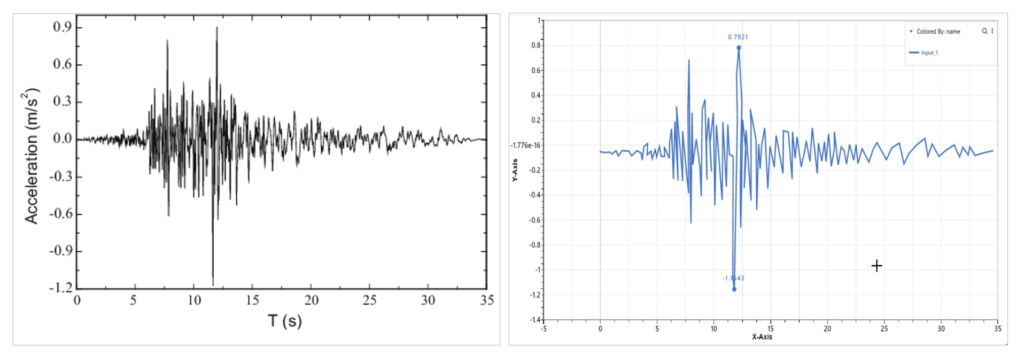
In several instances, time-history curves may need to be imported from either an Image (PNG/JPEG,.) or PDF files for use in comparison with simulations or for material calibration. d3VIEW Workflows now has the ability to digitize these images into a usable data curve. This post reviews the 5-step process in digitizing the image from a…

September 27, 2021 | by

Image Annotations

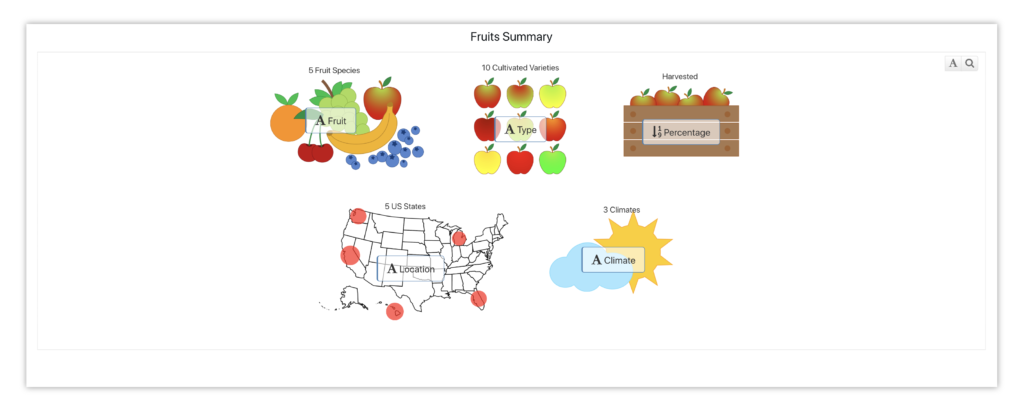
Simlytiks application in d3VIEW converts raw data into descriptive analytics using a variety of visualizers to facilitate a quick understanding of the data and to aid in decision making. Among the library of visualizers, one that belongs to the category of InfoGraphics is the newest addition called Image Annotator. It is one of the powerful…

September 17, 2021 | by

Storing and Viewing Scientific Data in d3VIEW

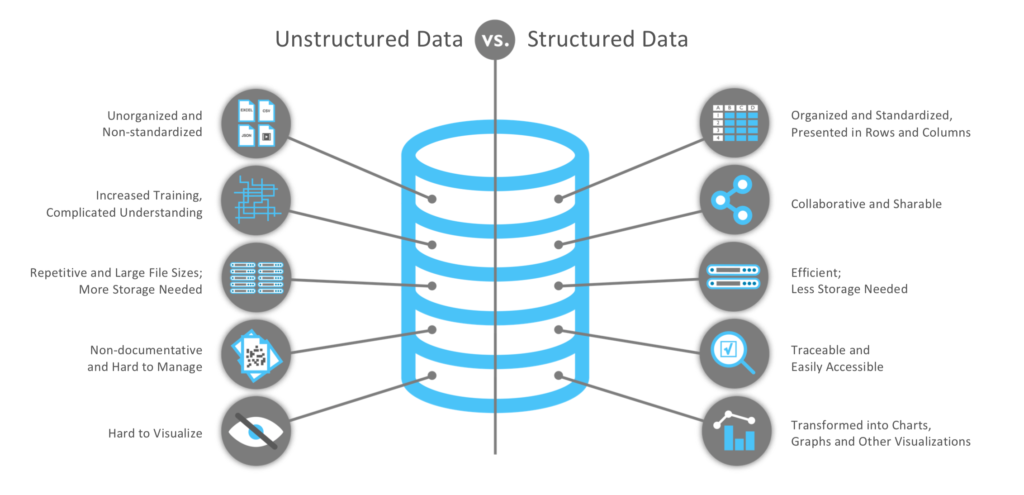
d3VIEW being a data-to-decision platform, houses many applications. Database is one among them where we can organize large amounts of data including scientific data such as curves/images/movies/etc. Main features of the Database application include Creating a database & organizing large volume of imported data Visualizing data Exporting data 1. Create Databases With and Without Importing Data…

September 14, 2021 | by

Explore Non-Scientific Data in Simlytiks®

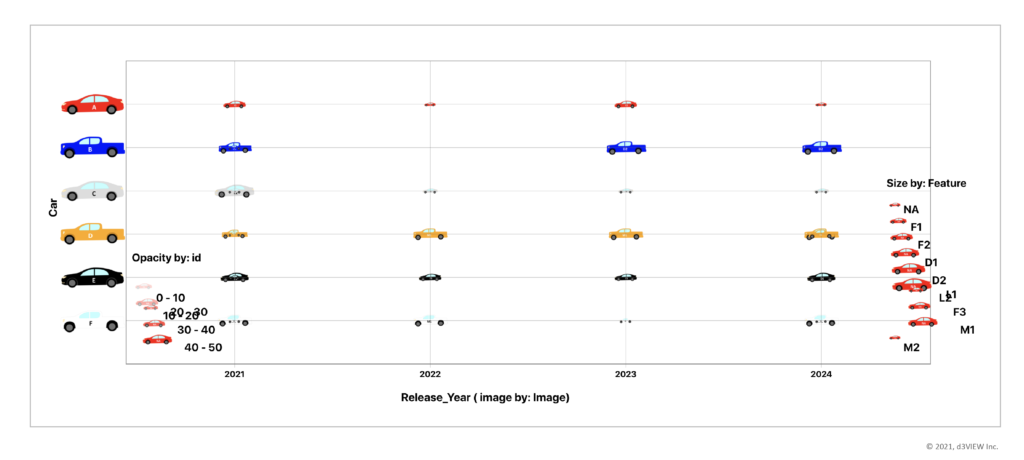
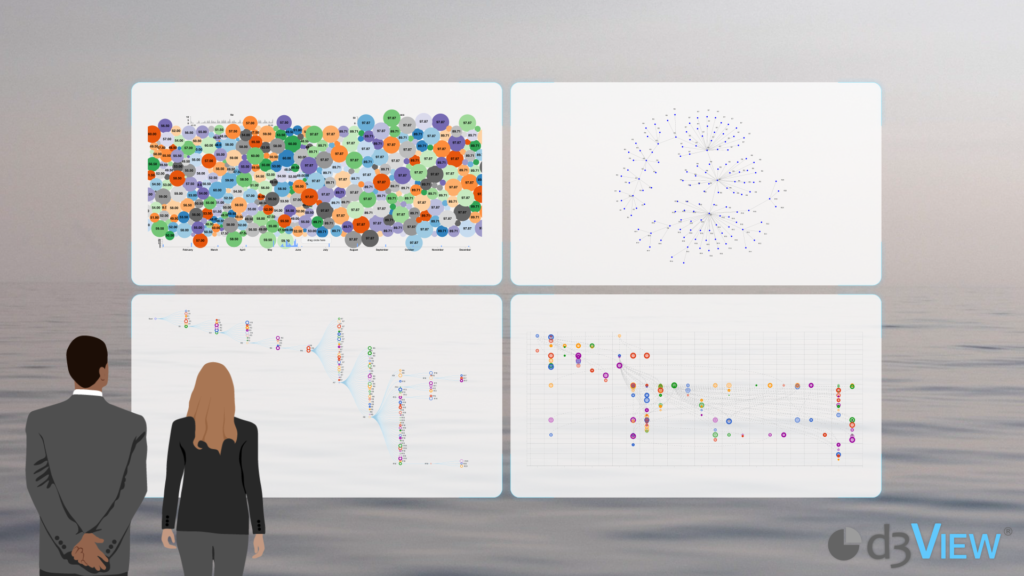
As a data-to-decision platform, d3VIEW supports a wide-variety of data. Let us see how Simlytiks, d3VIEW’s data visualization application, helps in visualizing non-scientific data. Leading the way in this enhancement is Simlytiks’ Bubble Chart visualization, which effortlessly harmonizes with simple data, as well as scientific data, to create smooth comprehension. Bubble Chart supports more than…

August 18, 2021 | by